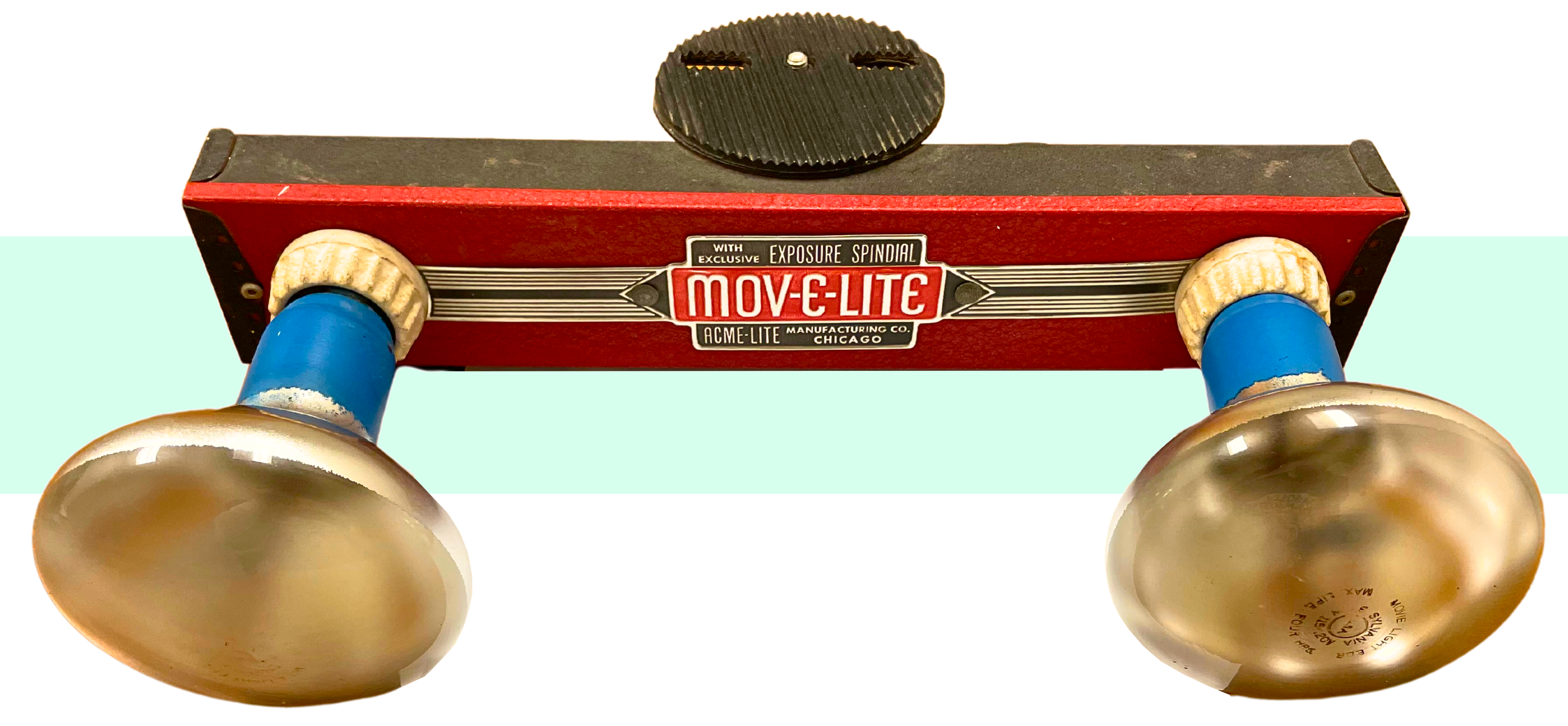
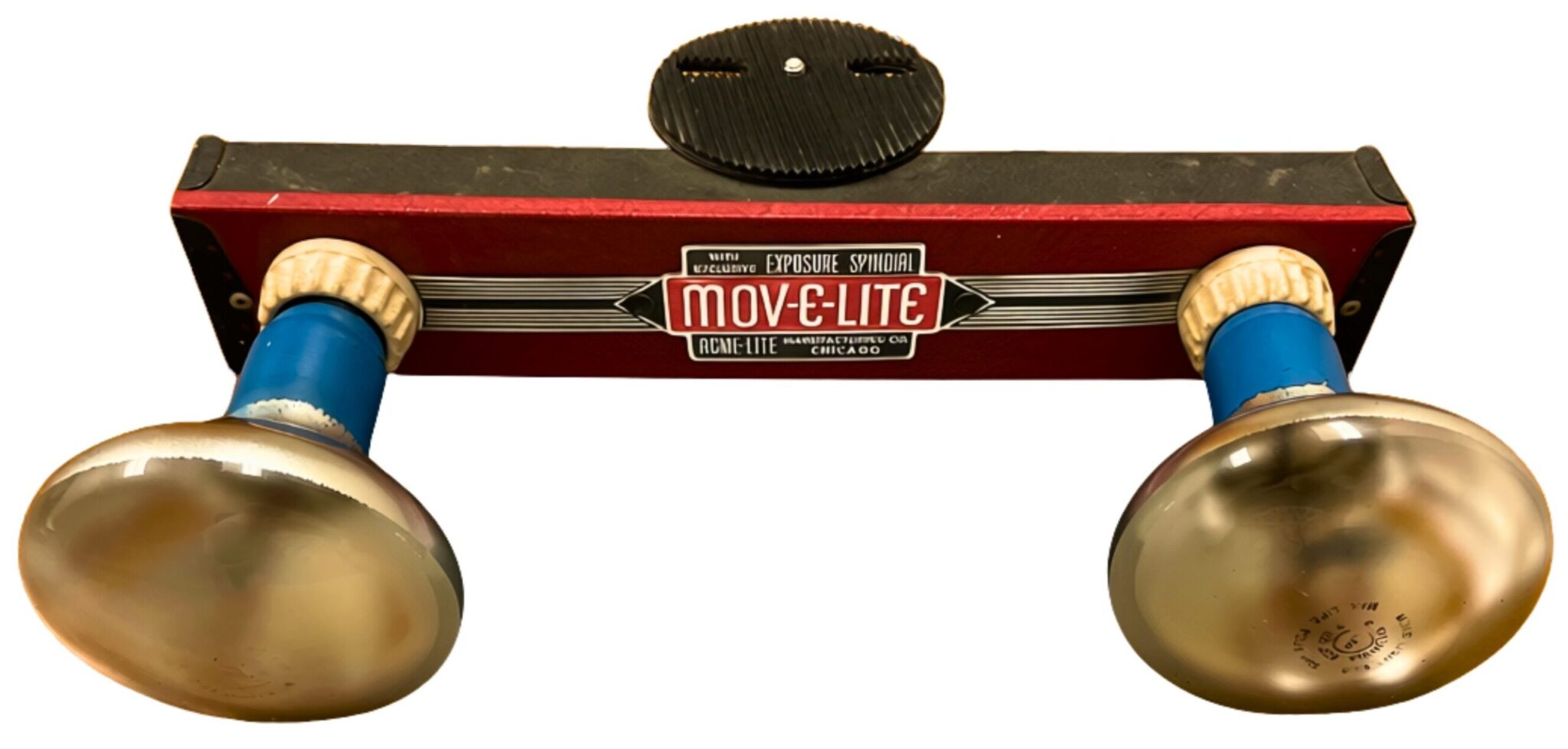
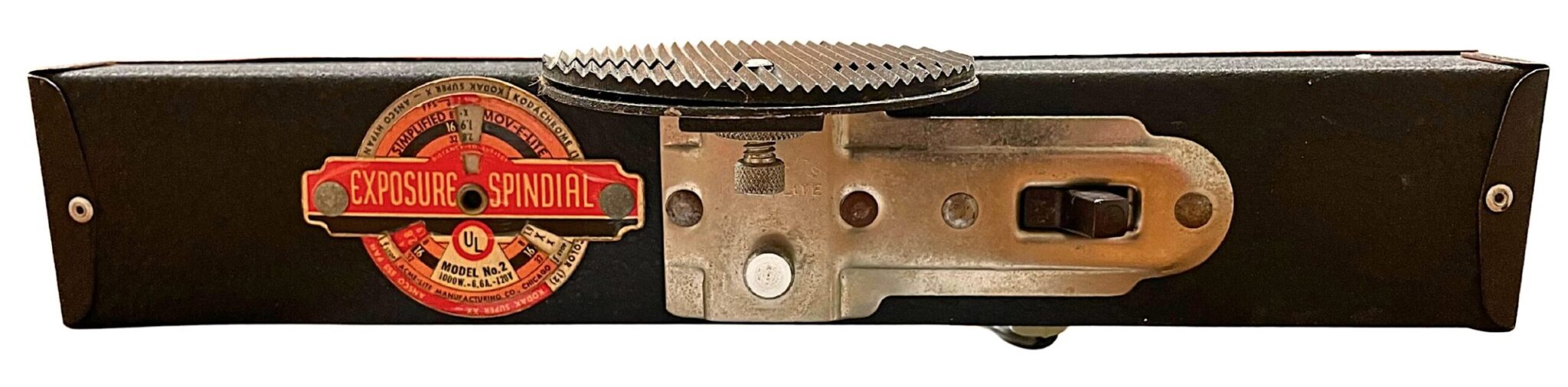
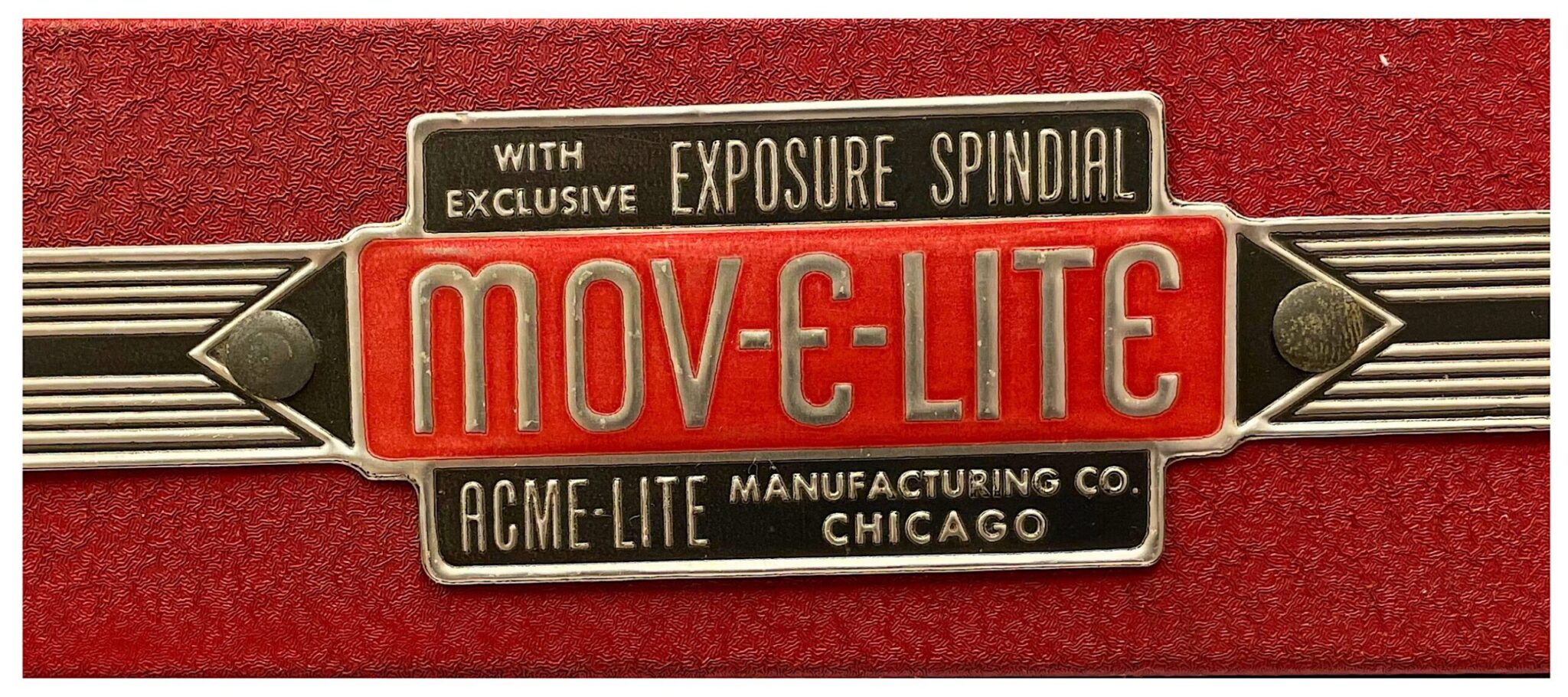
Museum Artifact: Mov-E-Lite Portable Flood Light Bar, c. 1950s
Made By: Acme-Lite Manufacturing Co., 401 N. Wood St., Chicago, IL [West Town]
“Thrill to home movies indoors! MOV-E-LITE synchronizes 1000 watts of light to the action of your camera. Easy to use. No guesswork. Detailed calculations show exact exposure. Handsome MOV-E-LITE fits into a beautiful gray hammerloid metal carrying case with space for camera, bulbs, film.” —Acme-Lite MOV-E-LITE advertisement, 1956
 Professional photographers understood the need for quality, precise lighting equipment dating back to the earliest days of the art form, but as more and more amateur camera users and home movie enthusiasts started documenting their surroundings in the 1930s, ‘40s, and ‘50s, it quickly became apparent that capturing an image in natural outdoor light was a hell of a lot easier than managing the complexities of an indoor shoot.
The first built-in flash cameras entered the marketplace just before World War II, and higher-end light meters enabled some camera adjustments for still photography. For people who’d ponied up their money for a new-fangled movie camera from companies like Bell & Howell or Revere, however, a better solution was needed for indoor filming—something that would adapt the room to their camera, rather than the camera to the room.
The Acme-Lite Manufacturing Company was one of the companies that stepped into this arena, redirecting its existing art lamp and piano lamp business into the photography field. The family-owned enterprise remained a recognized name in the industry from the late 1940s up into the 1990s, just before the rise of the digital age.
History of the Acme-Lite MFG Co., Part I: “A delightful hobby or hard work”
In 2026, the Made In Chicago Museum was contacted by Kenneth F. Berg and his sister Barbara Berg Ungar. Their great uncle, Jack Robinson, was the founder of the Acme-Lite Manufacturing Company, initially running it alongside his brother, Dave Robinson. The exact date of the founding of the company is unknown, but advertisements can be found for the organization dating as far back as 1937, promoting its “Acme Tubular Music Lite,” a clamping lamp designed for use on music stands, allowing piano players to read their sheet music more clearly. That ad listed the Acme-Lite MFG Company’s address as 763 W. Mather Street (now 763 W. Lexington Street) in Chicago.
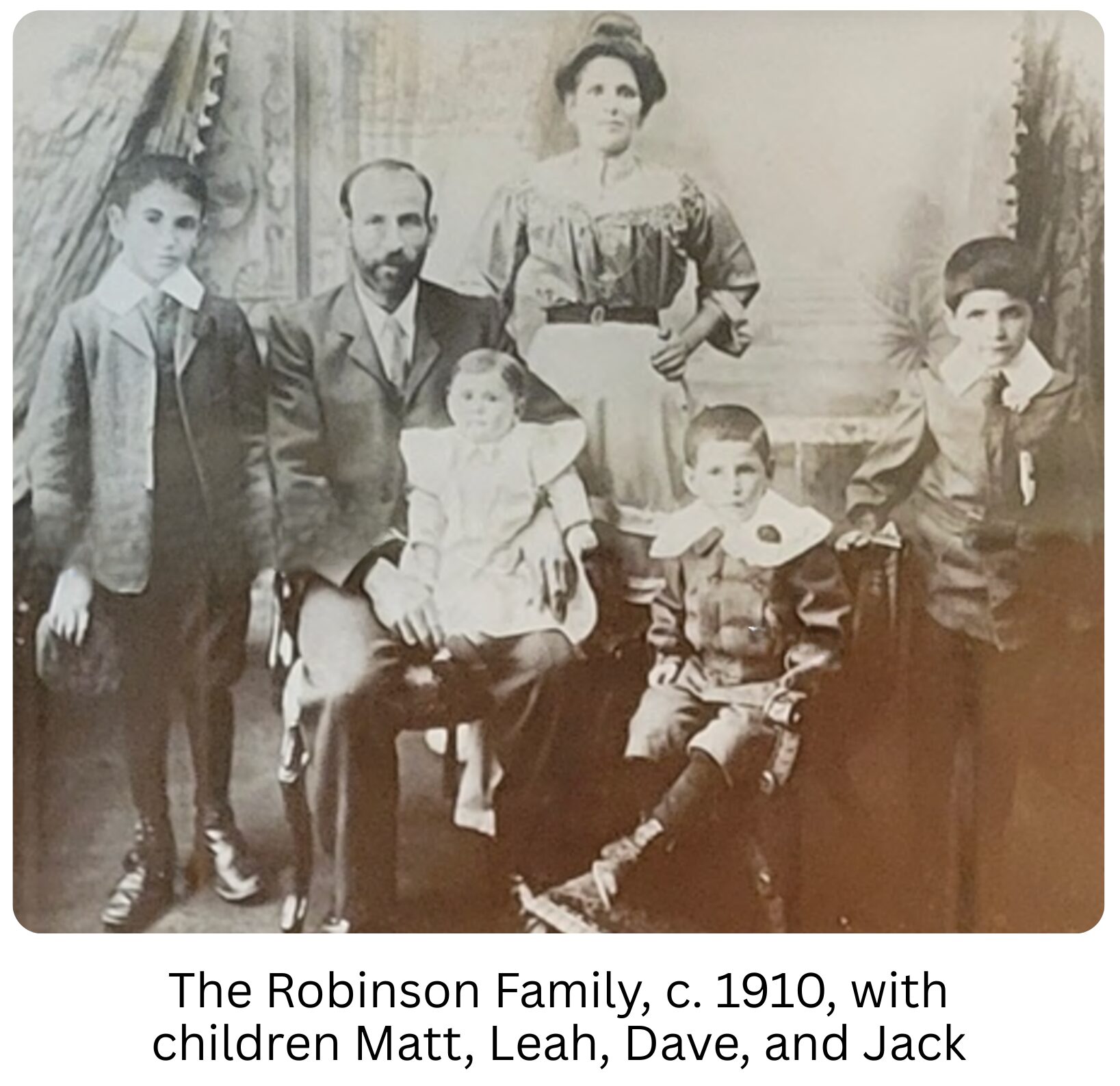 Jack and Dave Robinson, along with their sister Leah and additional brother Matt, were Jewish immigrants whose family had fled Russia and originally settled in Liverpool, England, where Jack was born in 1899. As Kenneth and Barbara told us, it wasn’t unusual at the turn of the century for refugees on ships bound for America to be told that Liverpool, a stop on the journey, was actually their destination; a part of the United States. Many Jewish families wound up in Liverpool as a result of this deceit, and the Robinsons (complete with westernized surnames) were among them.
Eventually, the Robinsons did find their way to America, arriving in Chicago before World War I. While we don’t know exactly how or when the brothers entered their trade, one 1947 advertisement claims that the company’s products were perfected through “22 years of experience in the photo lighting field,” suggesting they might have been working with this sort of technology dating back to the mid 1920s.
“Acme-Lite initially was a B2B business,” Kenneth Berg and Barbara Berg Ungar told us, “manufacturing studio lights for professional photographers. But World War II spawned advancements in picture quality and portability of photographic equipment in both still and moving photography. After the war, these advancements were adapted for consumer use, and Acme-Lite capitalized on the exploding consumer market in home photography.”
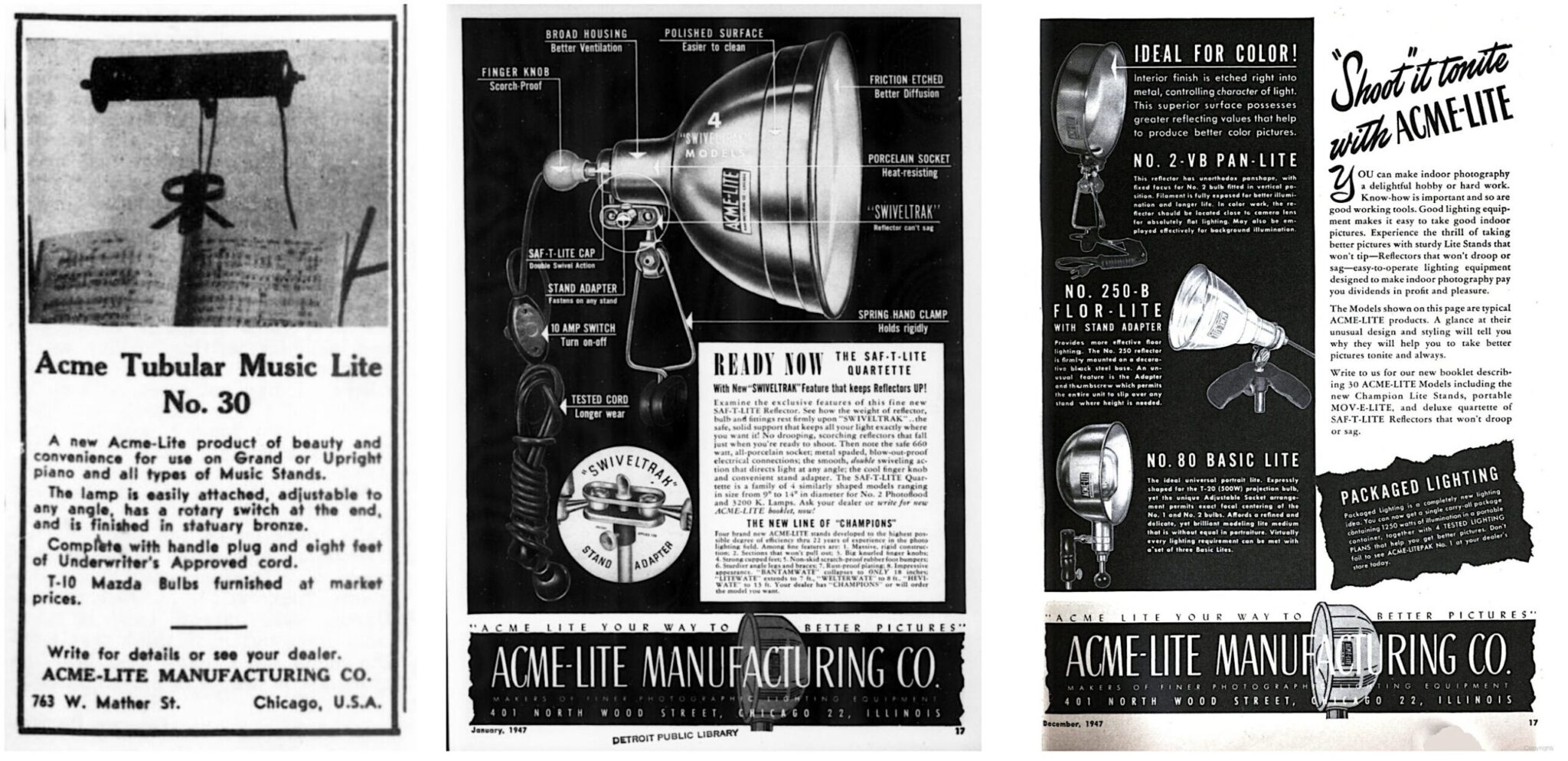
[Acme-Lite advertisements from 1937 (left) and 1947 (center and right)]
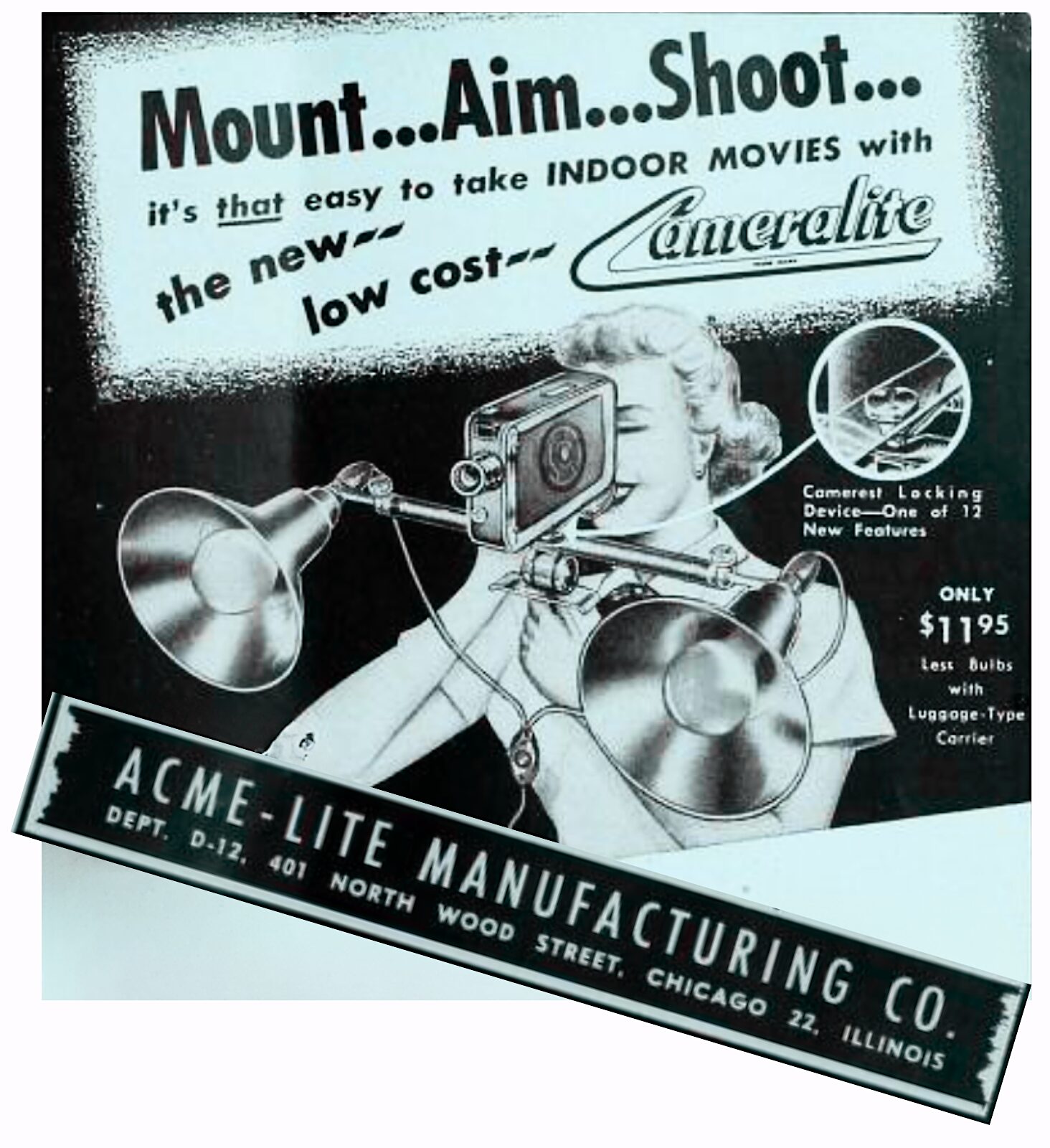
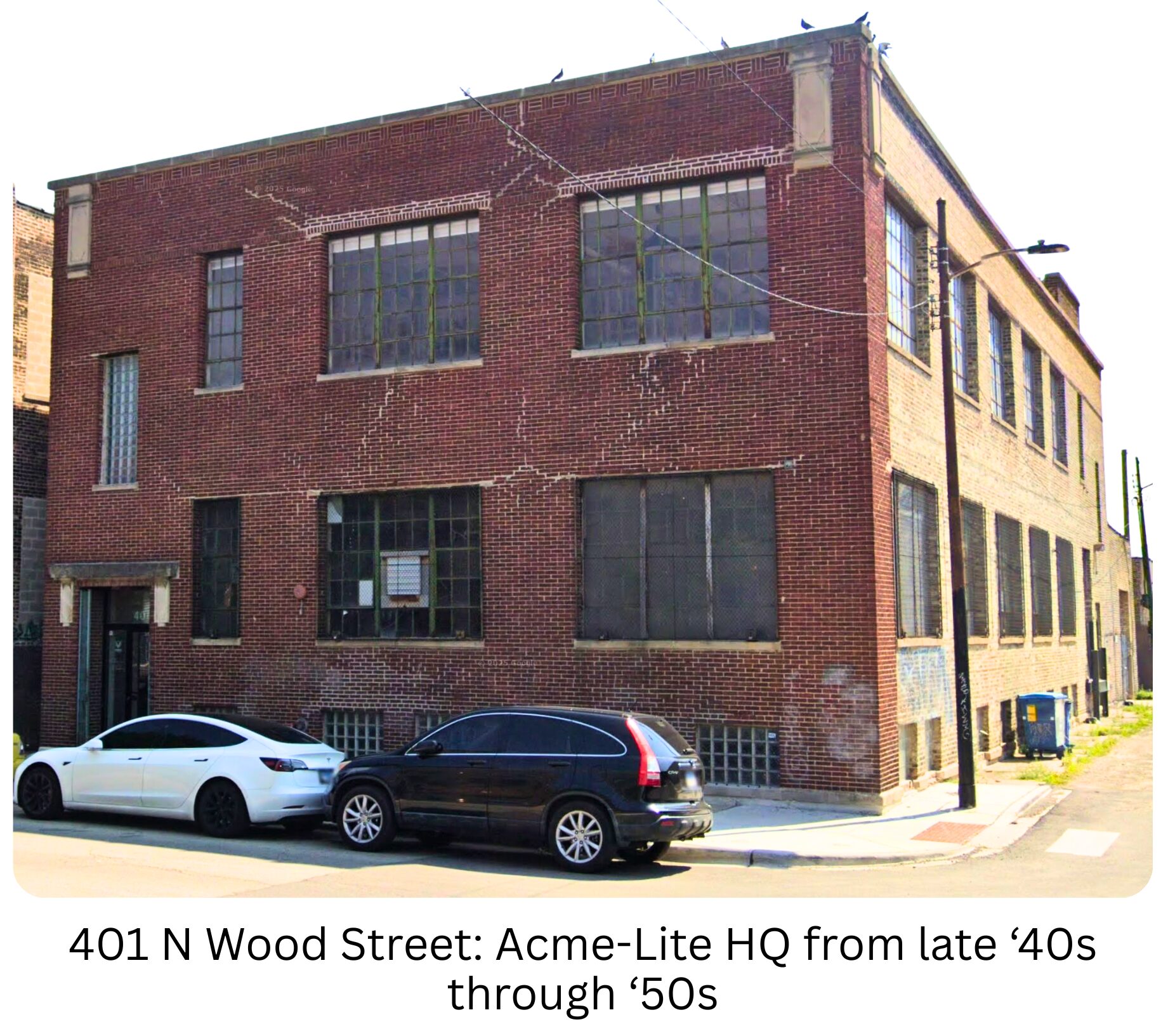
Acme-Lite’s post-war headquarters was established at 401 North Wood Street on the west side (a building that is still standing as of 2026), where the company rolled out its specialized lines of “CameraLite”, “SAF-T-LITE” and “MOV-E-LITE” reflectors, “Champion” light stands, and a few other popular models, including the FLOR-LITE, PAN-LITE, and BASIC LITE.
“You can make indoor photography a delightful hobby or hard work,” read a 1947 magazine ad. “Know-how is important and so are good working tools. Good lighting equipment makes it easy to take good indoor pictures. Experience the thrill of taking better pictures with sturdy Lite Stands that won’t tip; Reflectors that won’t droop or sag; easy-to-operate lighting equipment designed to make indoor photography pay you dividends in profit and pleasure.”
 Acme-Lite’s “Champions” light stands had a fun boxing theme to their branding, as the “Bantamwate” collapsed to 18 inches; the “Litwate” extended to 7 feet; the “Welterwate” to 8 feet; and the “Heviwate” to 13 feet.
By the 1950s, Dave Robinson, who suffered from multiple sclerosis, was no longer involved in the business, but his brother Jack remained company president, soon to be joined by two of his nephews, Dave’s son Ed Robinson and Leah’s son George Berg (aka “Jerry”).
Part II: “MOV-E-LITE”
The company enjoyed its golden era in the 1950s, as home movie making became more affordable and the new, preferred obsession of American suburbia. Acme-Lite rolled out products like the “Magnetik” All-Purpose Utility Lamp, the Q-Beam Mov-E-Lite, the Projek-Table (for propping up your home movie projector), and the item from our museum collection, the portable MOV-E-LITE light bar, which came in 2-bulb and 4-bulb formats.
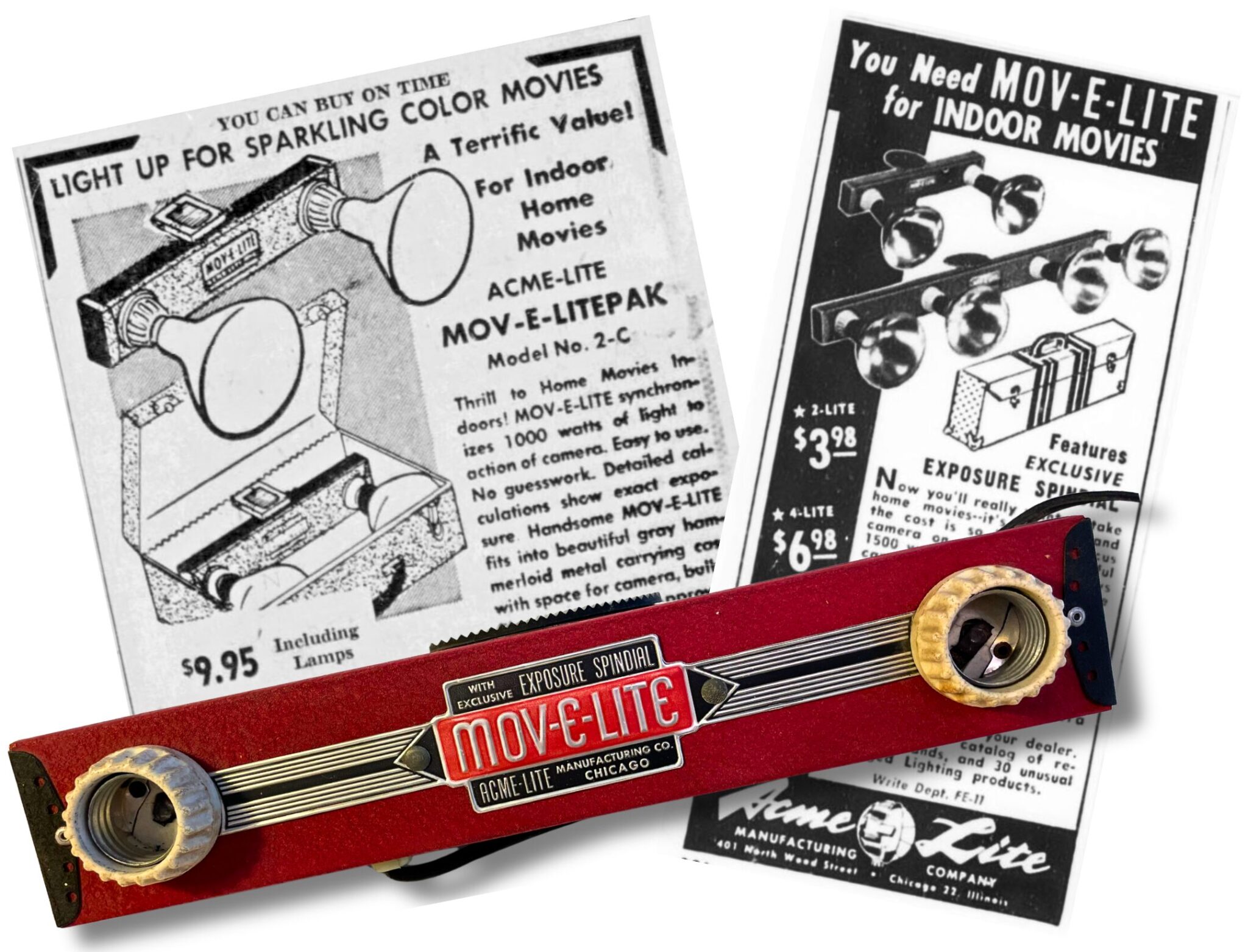 Described in its accompanying manual as “the world’s finest synchronized action lite,” the Mov-E-Lite was “primarily intended to serve as a powerful, single, portable light source for taking action pictures, both black-white or color. It may also be used effectively for portrait and other still pictures.”
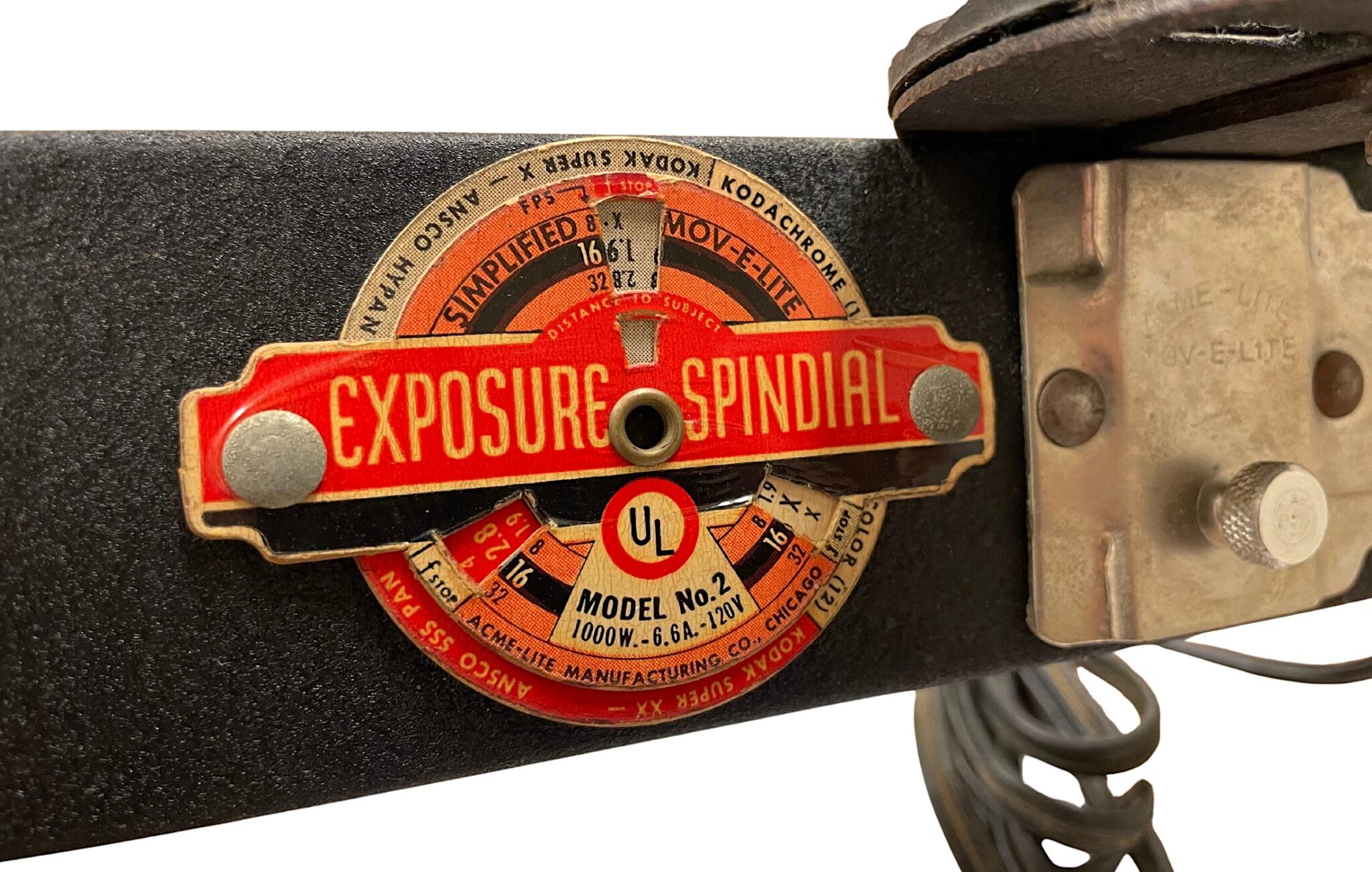
Optimized for use with 375-watt medium beam reflector-type bulbs, the Mov-E-Lite could be manually held via a handle or attached to a tripod. The user would then mount their camera to the unit and use Acme-Lite’s unique “exposure spin-dial” to set the distance between the camera and the subject. If set up correctly, the Mov-E-Lite would automatically provide the needed illumination to shoot the subject as the camera rolled, although the company was careful to note that additional atmospheric lighting in the room would help with the final results.
Based on Acme-Lite’s success in the first decade after the war, Jack Robinson became a well known figure in the photo lighting field, often appearing at conventions or promotional talks at camera shops. In 1953, Robinson was recruited by another Chicago business, the GoldE Manufacturing Company (4888 N Clark St.), to become their new vice president and general manager. GoldE, which was owned by Ernest Goldberg, produced film projectors, slides, and theater lights, so there was certainly overlap in the two companies. Jack Robinson retained his position as Acme-Lite’s president, however, and no formal merger was announced between Acme-Lite and GoldE, so this seemed to be more of a brief, friendly alliance.
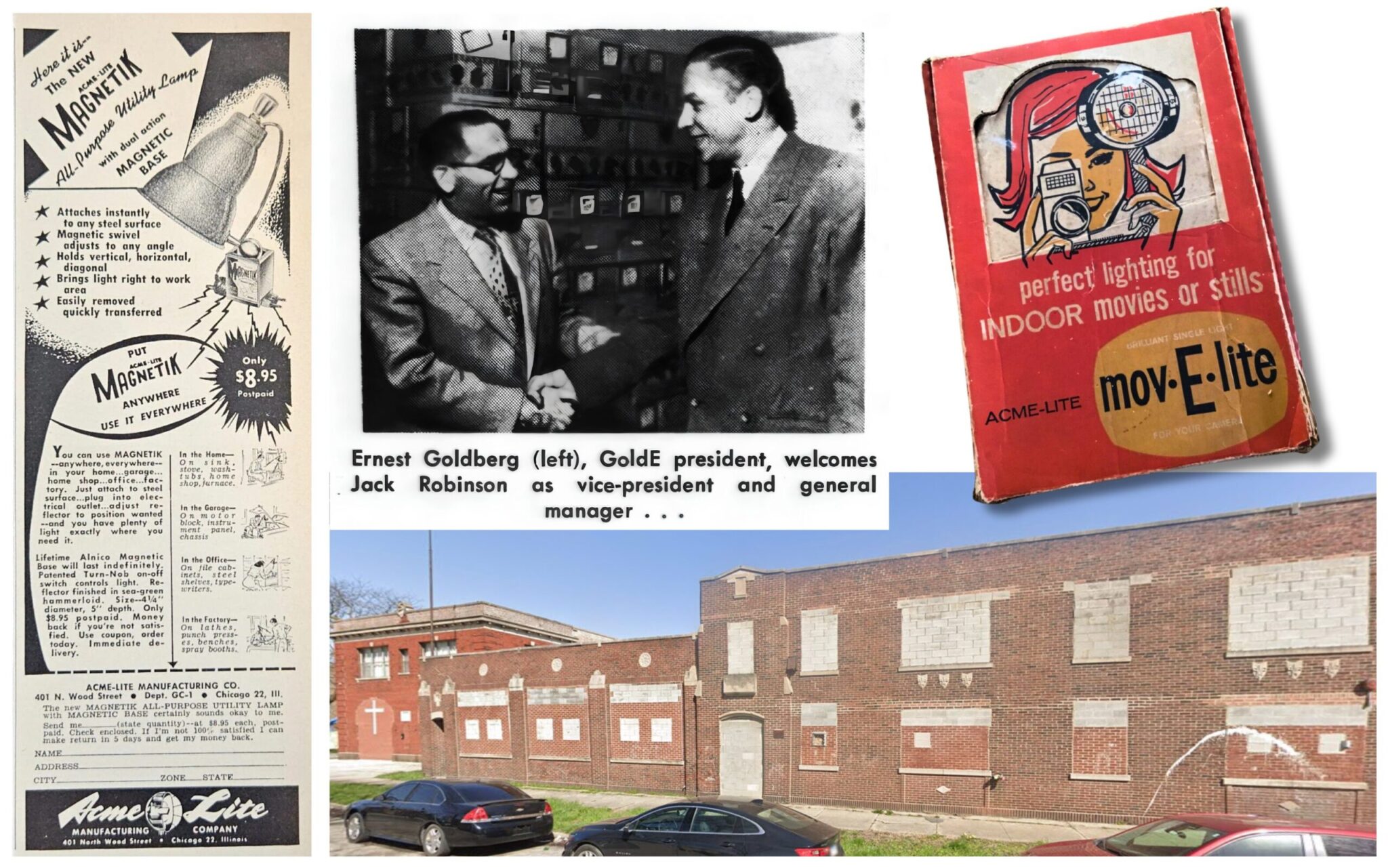
[Clockwise from left: 1952 advertisement fir Magnetik lamp, Jack Robinson joining GoldE MFG as VP, a MOV-E-LITE box, and Acme-Lite’s headquarters at 4646 W. Fulton Street, where the company remained for 20 years]
In 1960, Robinson acquired a new factory building at 4646 W. Fulton Street (still standing in 2026), next door to a fire station, with the CTA Lake Street El running behind the building to the north. By now, Jack Robinson, age 61, was a 50 percent shareholder in Acme-Lite, while his nephews Jerry Berg and Ed Robinson were each 25 percent stakeholders. According to his grand-nephew and grand-niece, the company president “did what presidents do, while Jerry was in charge of sales and Ed was in charge of the shop / assembly line.”
Jerry Berg, who grew up in Cleveland, was a decorated World War II veteran who fought in the Battle of the Bulge and later earned a business degree from Ohio State University on the GI bill. Edward Robinson, his cousin, was 10 years younger, but was a navy veteran himself. Both men were welcomed to join their Uncle Jack’s thriving light equipment business and jumped at the opportunity.
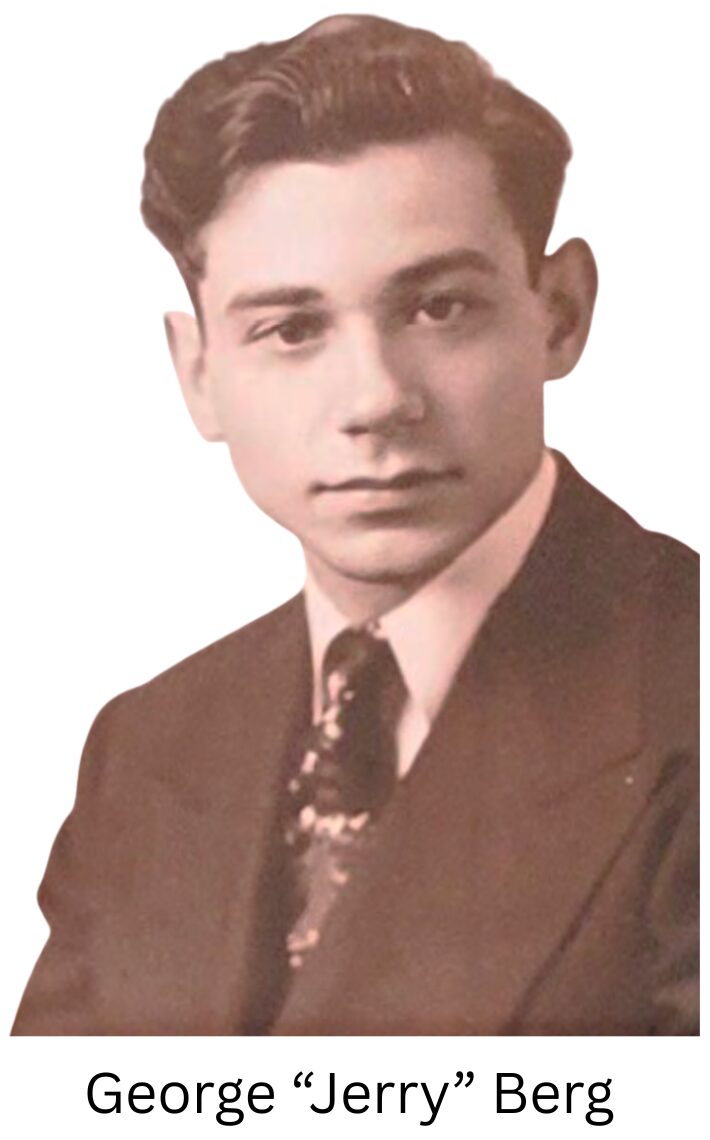 Kenneth Berg and Barbara Berg Ungar are Jerry Berg’s children, and they’ve provided us with their own shared memories of visiting their dad at Acme-Lite’s Fulton Street plant in the 1960s and ‘70s.
“The company’s public reception area, lunch room, and executive offices were on the upper floor,” they told us. “The entire street level of the building was used for manufacturing. Ed [Robinson] had his office on the ground floor. In the 1960s, before cell phones and even intercoms, we remember playing with a really cool pneumatic tube system, in which plastic cartridges containing hand-written messages and documents were placed in a tube and whisked back and forth between Ed’s downstairs office and the administrative offices upstairs.
“Acme-Lite had a significant payroll. In addition to Jack and Jerry, upstairs there were Mary and another woman who attended to incoming purchase orders and outgoing product shipments. Downstairs there were about 50 full-time employees working on the assembly lines. Neither floor of this building was at all glamorous, but at least the upstairs was cooled by window air-conditioners.”
Kenneth Berg recalled that, “One summer, during high school, I spent working on a welding machine downstairs where it was over 90 degrees. This is the joint [pictured below] that I spot-welded for 8 hours a day.”
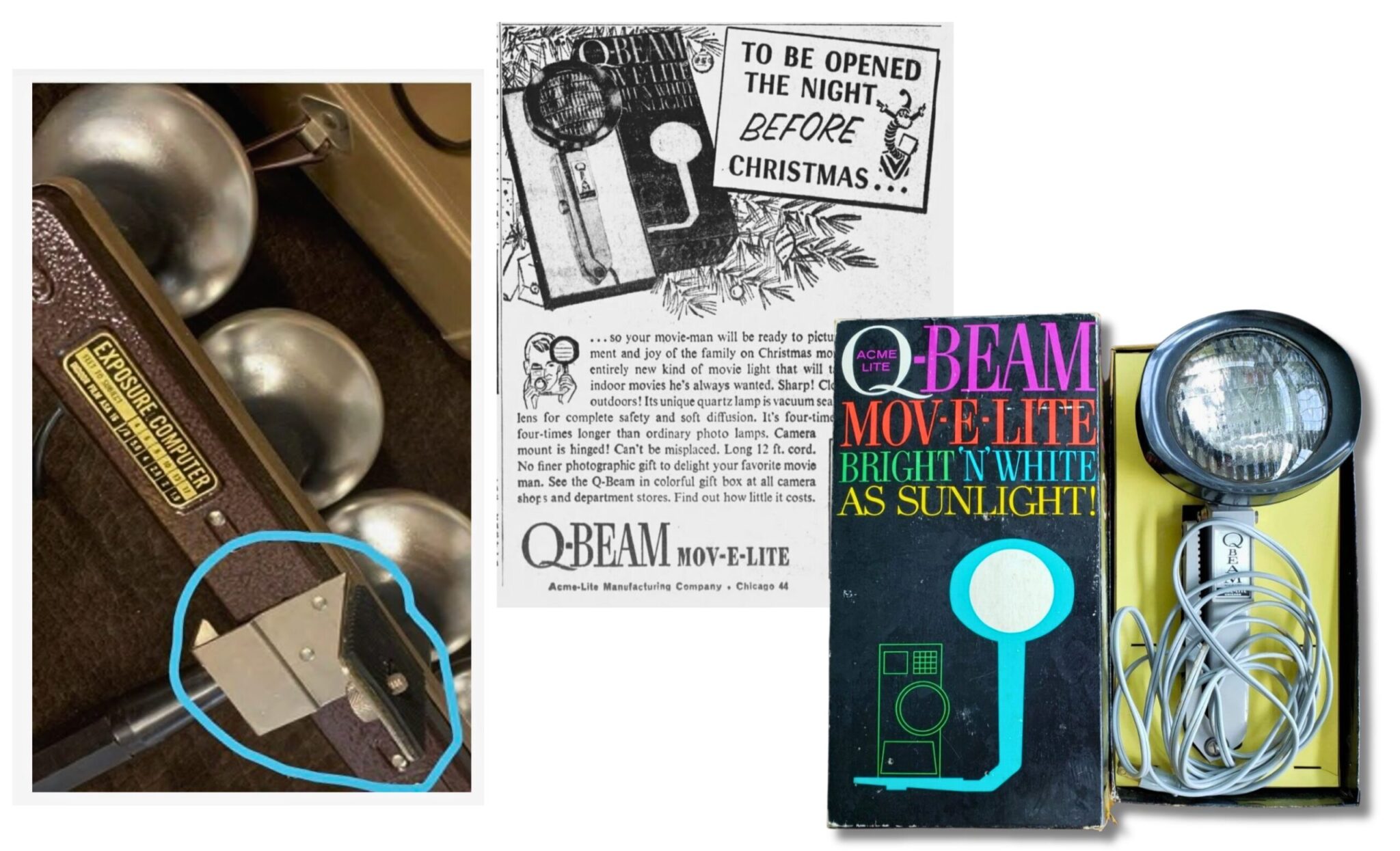
[Left: The type of joint on a Mov-E-Lite unit that Kenneth Berg spent a summer welding. Center: An early 1960s ad for the Q-Beam style Mov-E-Lite and a boxed example]
Part III: From Maker to Importer
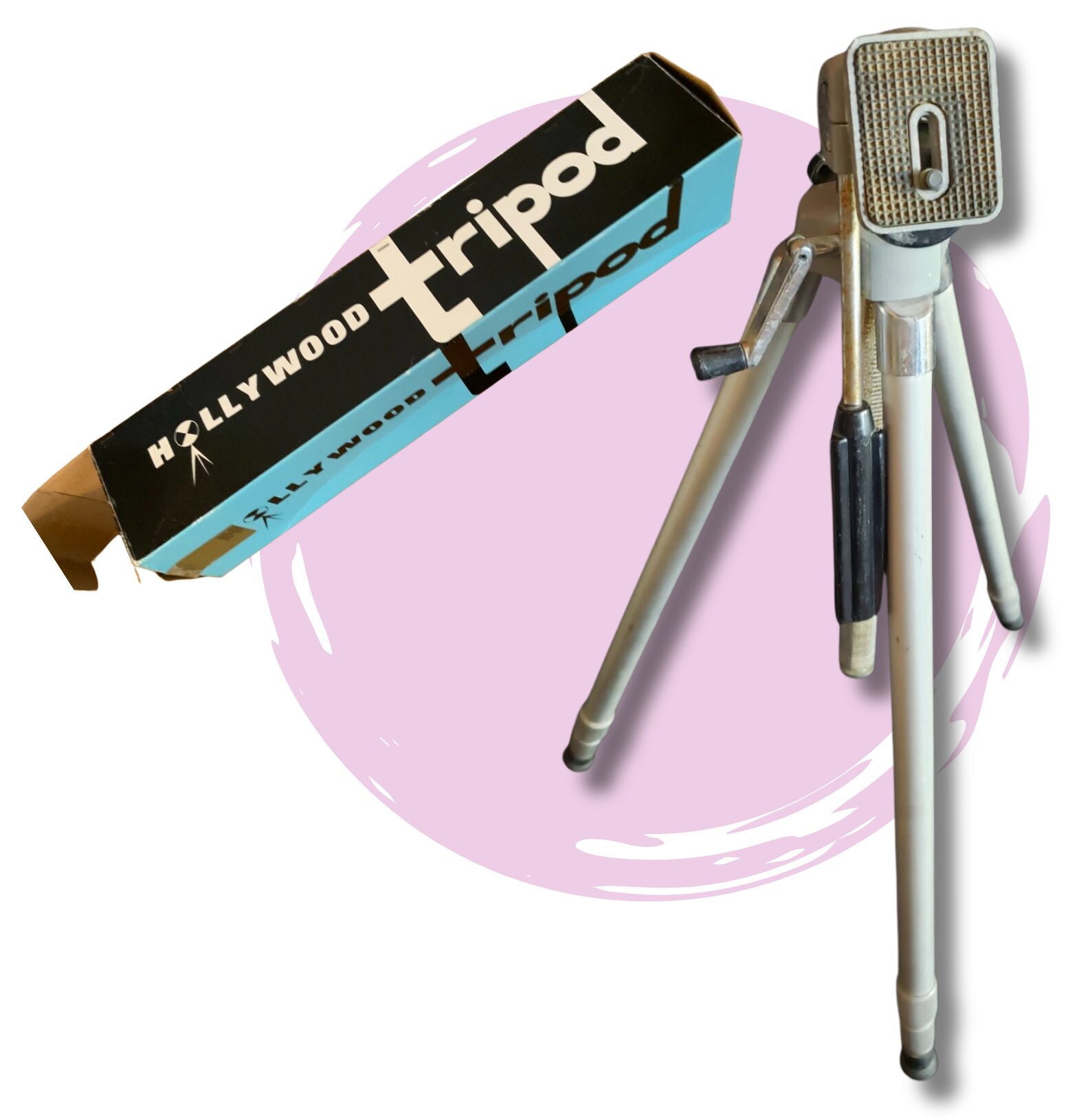
Acme-Lite remained a manufacturing-first business through the 1960s, operating a Mov-E-Lite division and a “Hollywood Tripod” division. The company also had an audio-visual line geared toward schools. Acme-Lite built up a vast chain of outlets for its products, selling their wares coast to coast and in Canada and Mexico. Each year, they had a large booth manned by Jerry Berg at the Consumer Electronics Convention in Las Vegas, and the name had considerable mainstream commercial recognition.
 By the late ‘60s, though, Acme-Lite’s products began to transition from heavy metal construction and 120 volt AC plugs to cheaper plastic units, with neon transistorized lights powered by rechargeable batteries. The battery packs started out so large that they had to be worn as belts. Later, simple AA size batteries sufficed to power flash attachments for cameras.
As was the case for countless US manufacturers, competition from east Asia was becoming an untenable issue for Acme-Lite, as it was impossible to match the cheap prices of new, imported plastic photography lighting. Cameras were becoming more sophisticated, as well, reducing demand for some of these accessories. Acme-Lite found a niche by resigning itself to a sort of middle-man status, importing equipment from Japan and Hong Kong themselves, and then sending them off to major US retailers like Sears, Montgomery Ward, and K-Mart. Eventually, Acme-Lite acquired its own manufacturing facility in Taiwan, where Jerry Berg personally spent as much as three months a year overseeing its operation. During this same period, Ed Robinson transitioned from assembly-plant supervisor to warehouse manager, as the Fulton Street building reduced its manufacturing load to become a distribution HQ.
On the afternoon of April 5, 1968, the fire station next to the Acme-Lite building received calls of major fires breaking out all over the West Side. In response to the assassination of Martin Luther King Jr. the previous evening, many protestors in the largely African American neighborhood took to the streets, and the situation soon escalated into full scale riots, with 170 buildings eventually being destroyed, and 12 people losing their lives. During the chaos, some of Acme-Lite’s black employees reportedly escorted the Robinsons out of the neighborhood. The building at 4646 W. Fulton was ultimately unharmed, but these events, according to Kenneth Berg and Barbara Berg Ungar, were the catalyst for the decision to move Acme-Lite from the city to the suburbs. If true, it still took the Robinsons another decade to complete that move, setting up their new offices at 3401 Madison Street in Skokie, and completing their transition from a manufacturing firm to an importer.
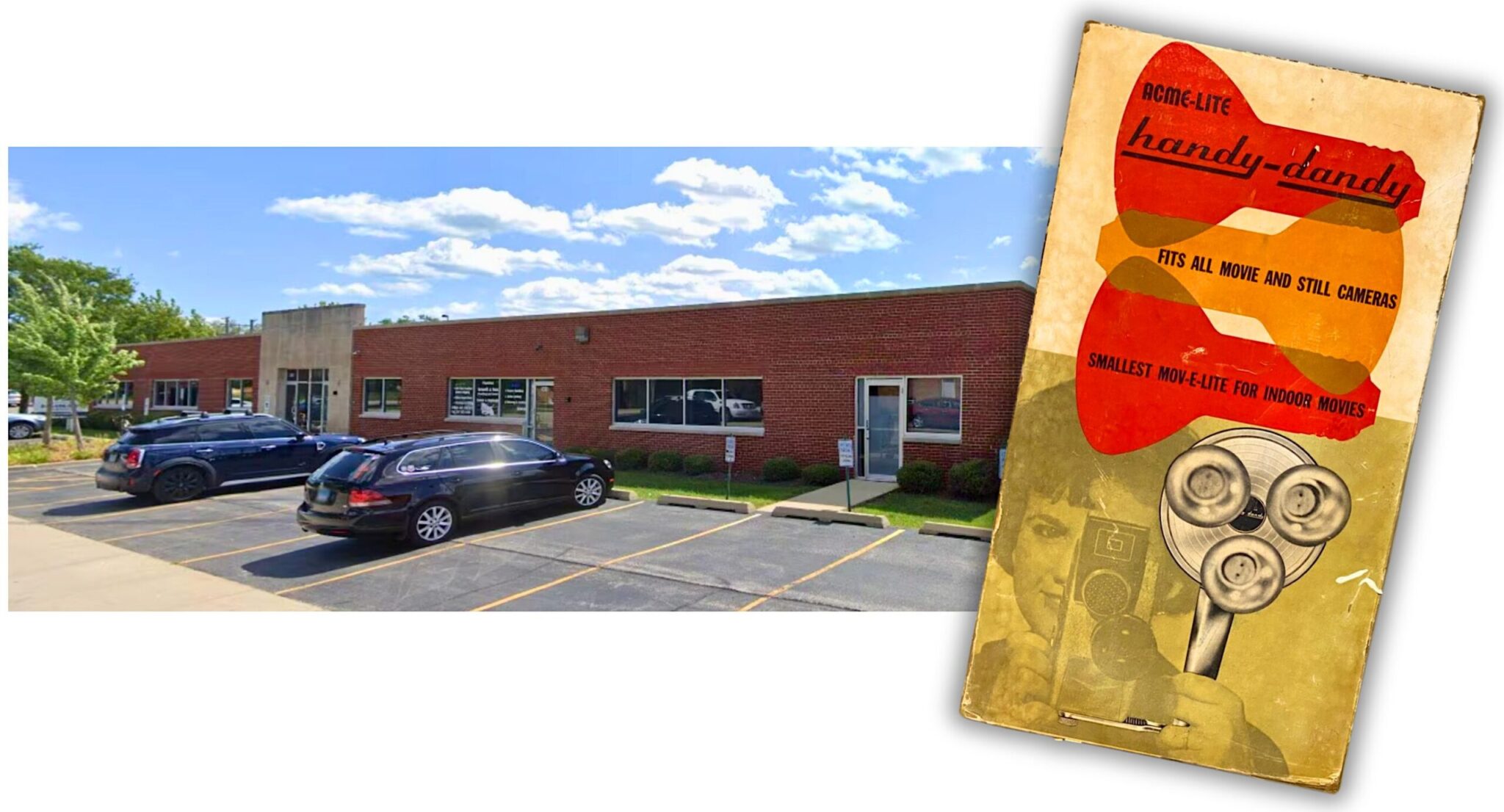
[Acme-Lite’s final home at 3401 Madison Street in Skokie, IL]
Around the time of the move to Skokie, in 1977, Acme-Lite was still a relevant name in the photo lighting field, even earning a glowing mention in an issue of Popular Science that year for one of its newer products.
“It’s nice to see somebody simplifying life for the photographer instead of complicating it,” the magazine reported in its October 1977 edition. “Award of the month for ingenious simplification should go to the Acme-Lite Mfg. Co. of Chicago. Take a look at Acme-Lite’s model 138 electronic flash for Instamatic cameras. The Flip Adapter that plugs into the camera can turn either way: One end’s for cameras designed for flipflash; the other end fits Magicube sockets. The Flip Clamp is also ingenious. Swiveled one way, it clamps to 110 cameras; the other way, to 126 cameras. Price: $24.95.”
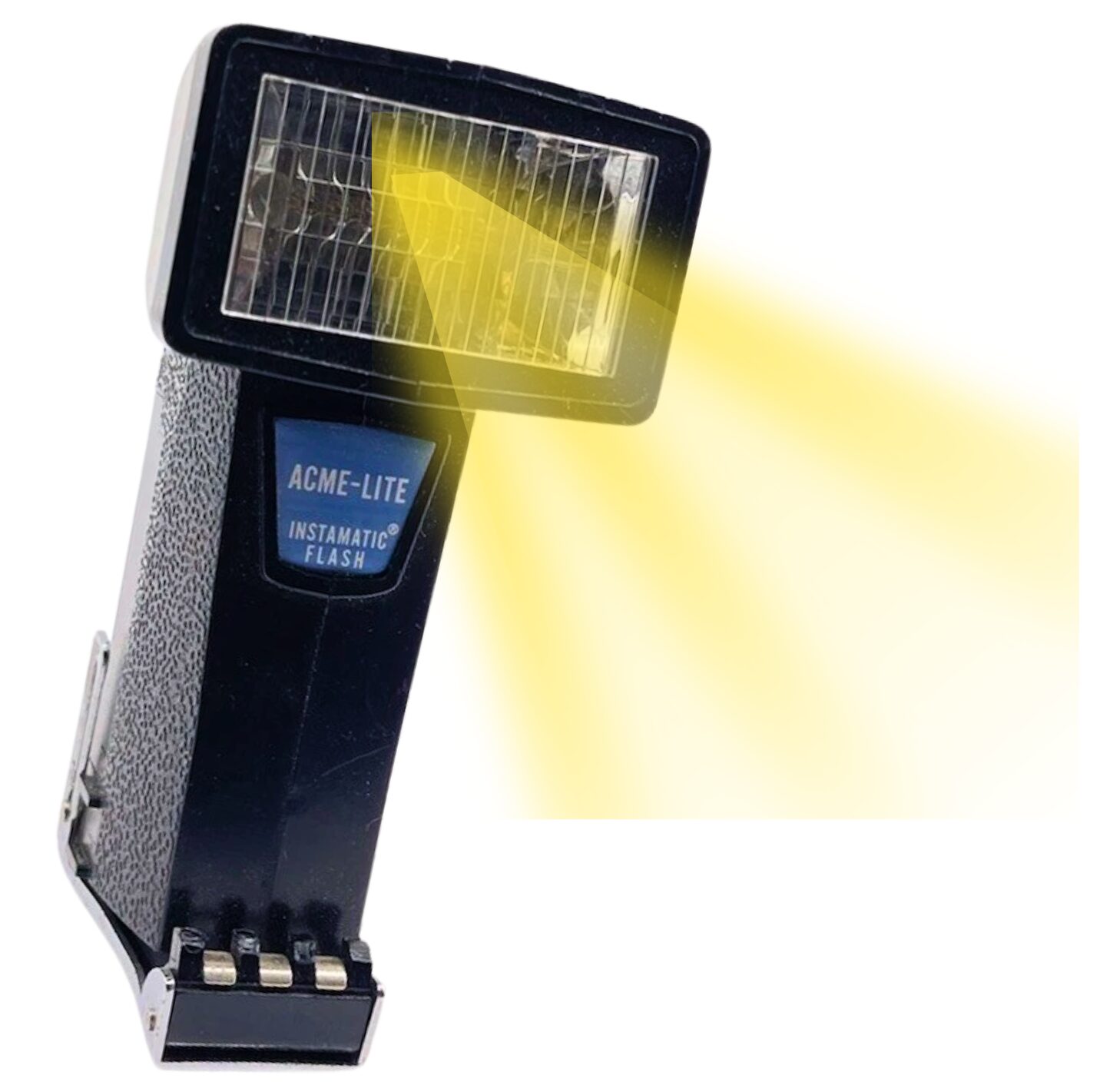 Jack Robinson died on May 8, 1985, at the age of 85. He was remembered by his grand-nephew Kenneth Berg as “quite a character.”
“Under his direction,” Kenneth told us, “the company was run frugally. Jack was fond of saying, ‘watch your pennies and the dollars will watch themselves.’ On the other hand, always proud to be an American, he regularly emphasized how much more the company paid in taxes each year as a measure of Acme-Lite’s continued growth, contrary to most law-abiding Americans who try to minimize their tax liability.”
Jack Robinson’s dutiful nephews Jerry Berg and Ed Robinson continued Acme-Lite’s operations into the 1990s. Neither Ed nor Jerry had encouraged their children to go into the family business, however, and as such, the company was soon inevitably up for purchase.
There was some interest from other firms in acquiring the Acme-Lite brand and taking it public. Jack Robinson’s widow required a hefty sum to be paid out up-front in any such deal, though, and a suitable buyer was never found.
According to Kenneth Berg and Barbara Berg Ungar, there was no successor to Acme-Lite once the company took a bow after roughly 60 years in business. In the mid-90s, Ed Robinson was put in charge of selling off the company’s assets piece-meal. Existing inventory, intellectual property, and office equipment belonging to the business were sold to various third parties. The brand names “Acme-Lite” and “Hollywood Tripods” also may have been sold. But, to the family’s knowledge, no entity or person ever bought the stock of Acme-Lite from Jack Robinson’s widow or nephews. Both Ed Robinson and Jerry Berg are now deceased, as is the company’s attorney, Ira Friedman, so there’s sadly not anyone to ask about the final fate of those Acme-Lite shares.
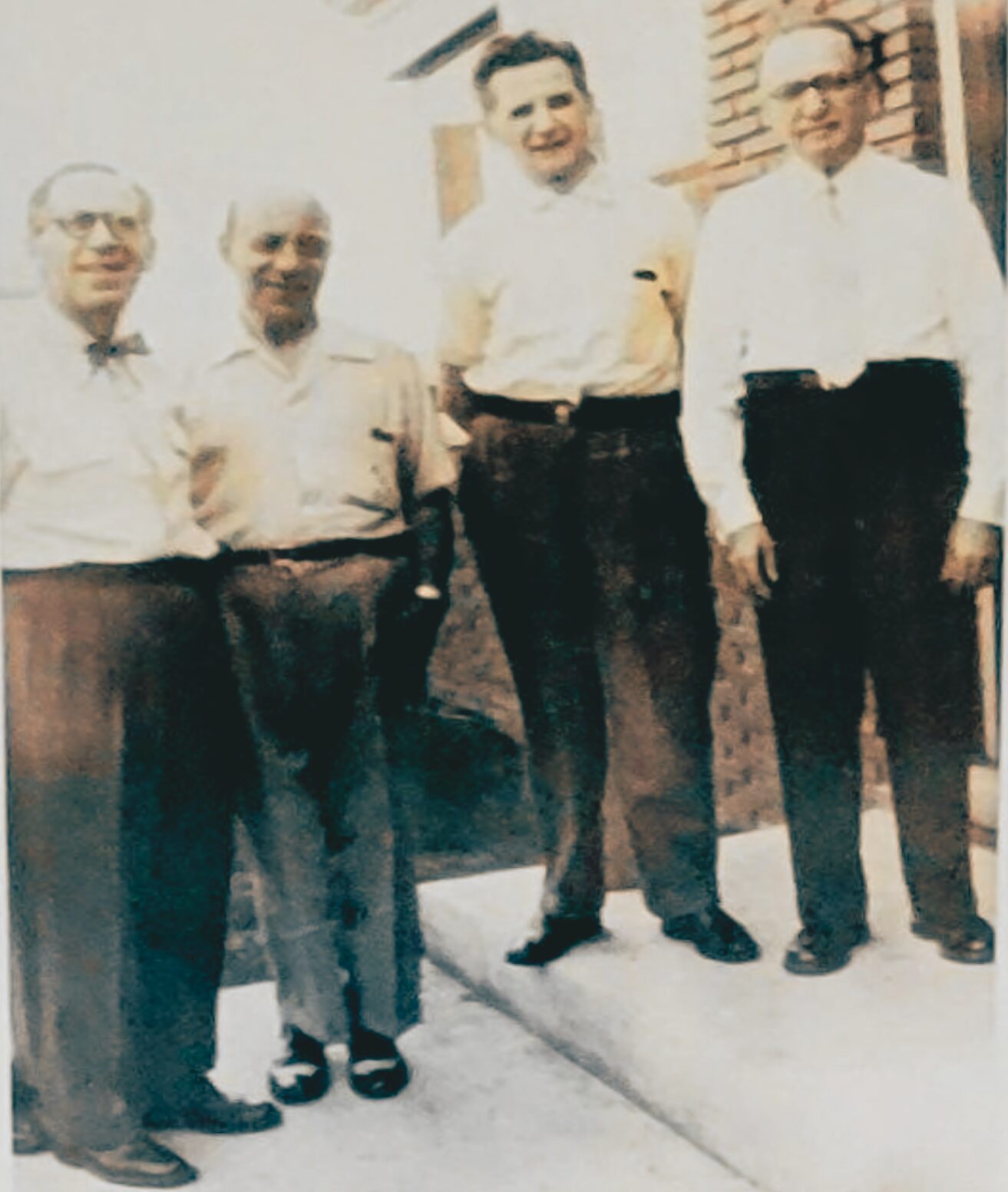
[Left to right: Jack Robinson, founder of Acme-Lite; brother-in-law Victor Berg; Dave Robinson, co-founder; Matt Robinson (brother of Jack and Dave]
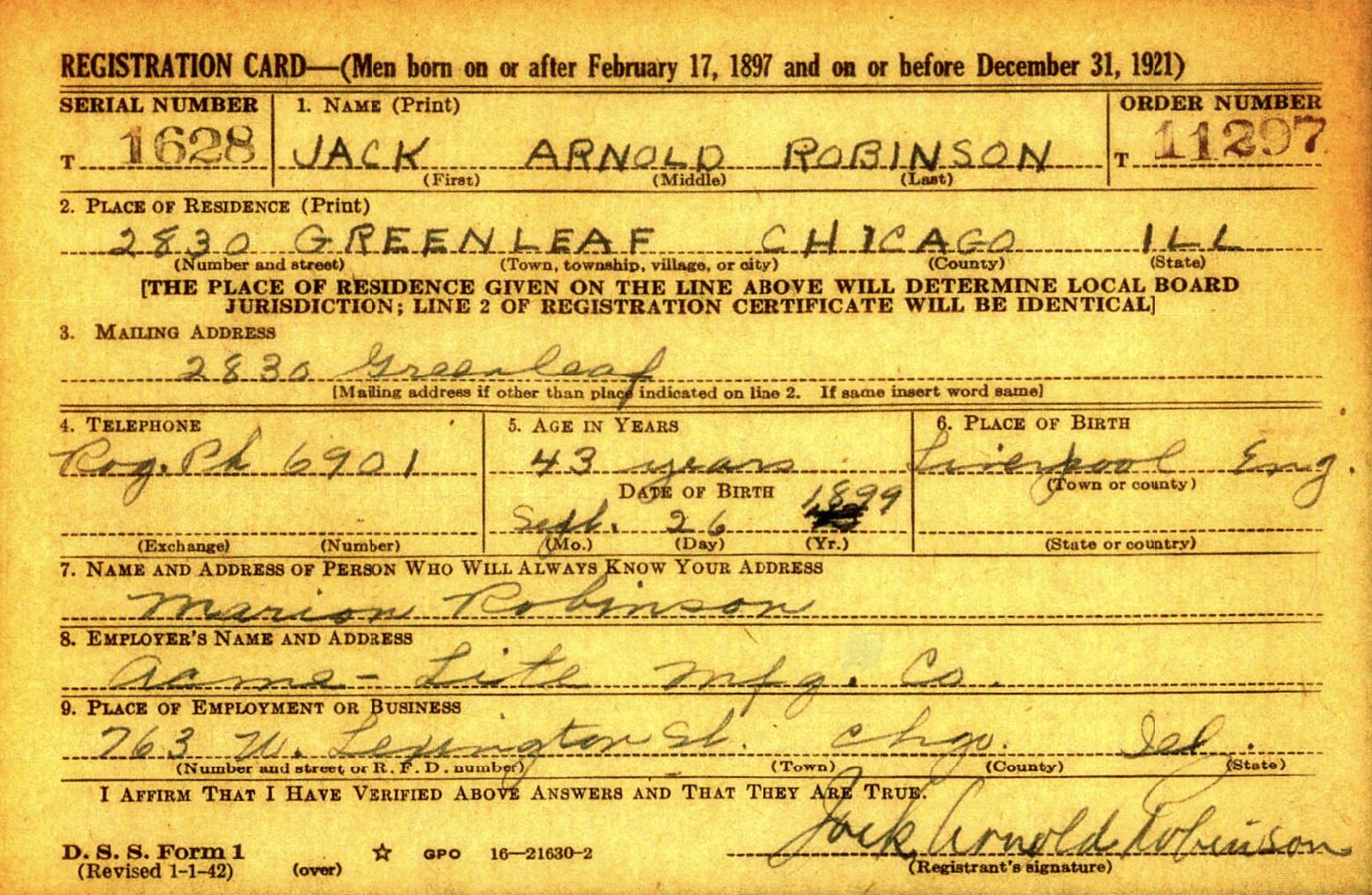
[Jack Robinson’s draft registration card, 1942, showing early Acme-Lite address at 763 Lexington St (formerly Mather St)]
Sources:
Recollections of Kenneth F. Berg and Barbara Berg Ungar
Mov-E-Lite Model 2 and Model 4 Instruction Manual
Jack Robinson 1942 draft registration card
Jack Robinson joins GoldE MFG – Film News, 1953
“Double Flip” – Popular Science, Oct 1977
My family was the founder of this company. If you would like more information please contact me
My great uncle Jack Robinson started the company, and my father George Robinson Berg and his cousin Ed Robinson were the other C-suite executives that took it over in the 1970s. The 24th anniversary of my father’s death is tomorrow night December 26, 2025. I lived Acme-Lite and its sister company Hollywood Tripods.
I am grateful for your interest in the company and pleased to share what I know. You can contact me directly at Church7906@aol.com.